

Detecting and Managing Hydraulic System Leakage
Learn effective strategies to identify and manage hydraulic system leaks to enhance equipment reliability and company profits.
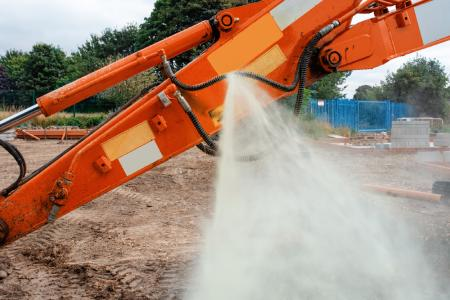
Hydraulic system leaks can be a significant drain on the profitability and efficiency of any business that relies on such systems. Not only do leaks lead to direct losses such as the cost of replacing hydraulic fluids, but they also incur indirect costs through increased energy consumption, reduced equipment efficiency, and higher maintenance expenses. Leaks in hydraulic systems often remain undetected until they severely impact system performance because they might not have visible signs to alert staff early on. Typically, these issues are only addressed in a crisis management mode, leading to unplanned downtime and increased costs.
Detecting and addressing leaks promptly is crucial for maintaining the operational integrity and efficiency of hydraulic systems. This involves not just timely maintenance but also adopting strategies that facilitate early detection and management of leaks. Companies can benefit significantly by shifting from reactive to proactive maintenance strategies.
External Hydraulic Leak Detection
To speed up the detection of external leaks, it is advisable to use hydraulic oils that are distinctly colored compared to other fluids used in the machinery. This makes it easier for both seasoned and new personnel to recognize and report leaks promptly. Training all staff to identify and differentiate between types of leaks can drastically reduce the time it takes to initiate repairs.
Improved Detection Techniques
Beyond simple visual aids, maintaining detailed records and utilizing advanced monitoring tools can help in understanding and controlling leaks more effectively. For example, surveillance data can be analyzed to track leakage trends over time and devise better maintenance strategies. Additionally, employing ultrasonic tools and infrared thermometers can aid in detecting less obvious leaks by providing precise diagnostics without needing direct contact with the machinery.
Internal Leak Management
Contrary to external leaks, internal leaks in hydraulic systems might not always be undesirable. Many systems are designed to allow a certain degree of internal leakage under normal conditions to fulfill specific functions such as lubrication and cooling of components. However, excessive internal leakage can lead to decreased performance and increased operational costs. Identifying the early signs of such issues is key to preventing major breakdowns.
Monitoring and Maintenance
Installing flow meters on key components like pumps and motors can help monitor their performance and detect any deviations from expected parameters. Such measures enable timely overhauls and repairs, ensuring that the systems continue to operate within the designed specifications. Furthermore, maintaining optimal fluid viscosity and temperature is crucial for the system’s efficiency and longevity.
Proactive Leakage Control
Developing a comprehensive leakage control program starting from the equipment design phase and continuing through its operational lifecycle can significantly mitigate the risks associated with hydraulic leaks. This proactive approach not only helps in maintaining the system’s integrity but also enhances its reliability and performance over time.
Conclusion
Effectively managing hydraulic leaks is not merely about fixing problems as they arise but involves a strategic approach to prevent leaks and minimize their impact. By implementing advanced detection methods and proactive maintenance practices, companies can achieve substantial benefits including reduced downtime, lower operational costs, and improved system reliability, which in turn can lead to increased profitability.

Nothing Can Stop You Now
No Gaps.
With Certified Power Solutions, there are no gaps because you have everything you need in one place, from parts to prototyping to testing.
No Games.
With Certified Power Solutions, there are no games because you have a proactive partner who knows how much is at stake and will always follow through.
No Guesswork.
With Certified Power Solutions, there's no guesswork because you have a provider that brings real engineering expertise, from sales to support.